Crafting the Ideal Atmosphere: Retail Fitting Methods
Within the cutthroat world of shopping, the environment of a store can create or break the shopping experience. Creating the perfect setting goes further than just aesthetic appeal; it plays a crucial role in customer engagement and ultimately drives revenue. A carefully planned retail fit-out ensures that every element, from design to lighting, is in harmony with your brand image and speaks to your target audience. Understanding what a retail fit-out involves and its significance can pave the way for enduring success.
As the shopping landscape advances, so do the methods and trends associated with fit-outs. Whether you're starting a new venture or renovating an existing location, having a thorough guide to retail fit-outs can guide you through every stage of the journey. From innovative design strategies that enhance customer engagement to the most recent trends predicted in 2025, it's essential to stay informed and flexible. Join us as we explore the different aspects of retail layout techniques that can enhance your store, create memorable encounters, and ensure your enterprise succeeds in a bustling market.
Grasping Retail Fit-Outs
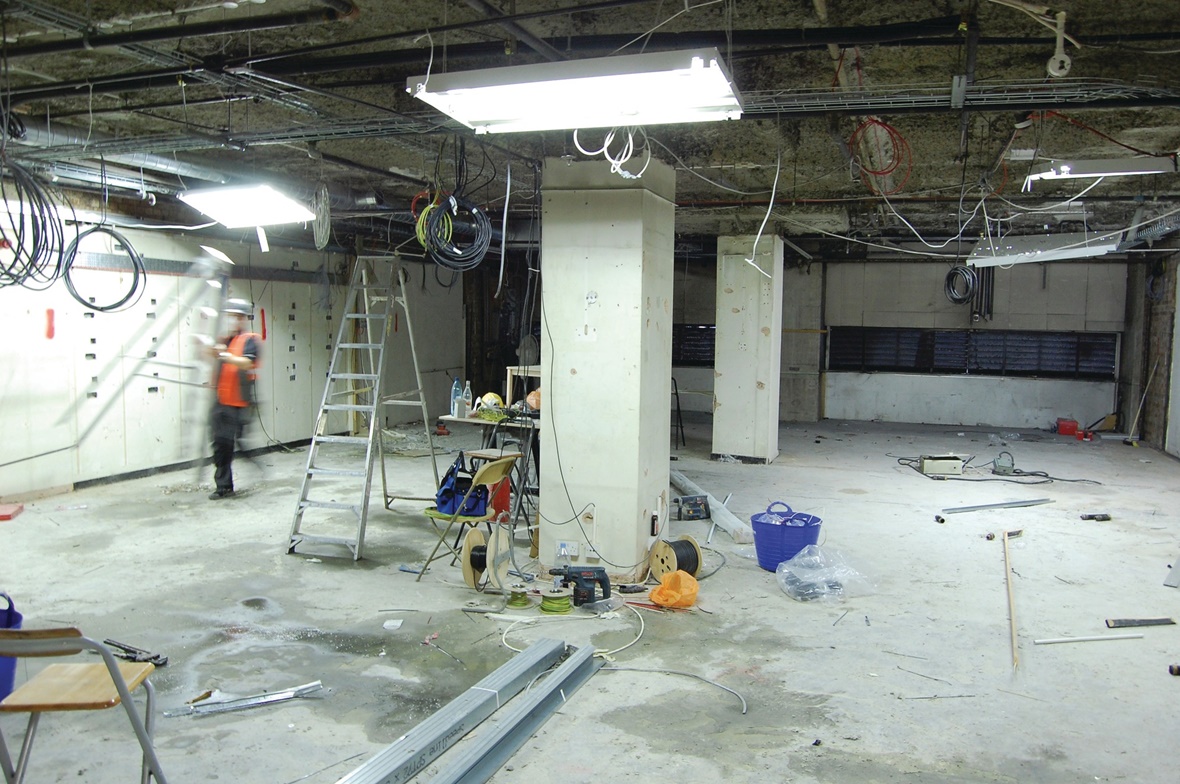
Retail fit-outs are a method of changing a unrefined space into a functional and visually appealing environment for businesses to run. This involves a partnership between planning, development, and brand identity to create a space that aligns with the company's vision and improves the shopping experience for clients. A successfully completed fit-out not only fulfills the logistical needs of the organization but also demonstrates its brand ethos, expressing crucial information through design elements like arrangement, colors, and decor.
The significance of retail fit-outs cannot be underestimated. They play a vital role in luring customers and shaping their buying preferences. A carefully crafted space can inspire customers to invest more time in the store, causing increased sales and enhanced customer loyalty. Additionally, fit-outs can assist improve the use of space, enabling effective product displays and a seamless flow of traffic, ensuring that the customer's journey is both satisfying and smooth.
As retail environments evolve, so do fit-out trends and needs. Staying updated on current styles and technological advancements is essential for businesses seeking to set themselves apart in a challenging market. From employing sustainable supplies to harnessing smart tech for a more interactive experience, the approach to retail fit-outs is constantly evolving. Understanding these trends can equip businesses to make knowledgeable decisions that not only satisfy their current needs but also safeguard their retail spaces.
A Commercial Fit-Out Process
This retail fit-out process is a detailed journey that transforms an unoccupied area into a completely functional commercial environment. First, it begins with the thorough assessment of the current area, where important considerations such as design, illumination, and branding come into play. Preparation is crucial, as this phase involves working together with designers and architects to create design that aligns with the brand's vision while enhancing customer engagement. Establishing a clear design brief that specifies preferences for resources, colors, and overall appearance will steer the project through the following stages.
After the design is completed, the construction phase kicks off. This is where the real fit-out takes shape, involving careful build-out of the area according to agreed plans. Ongoing communication with builders and project managers is necessary during this phase to make sure the project stays on track and inside budget. Managing deadlines efficiently helps to avoid common problems, such as delays or unexpected costs, which can disrupt the effort and lead to annoyance for all involved.
After the construction and installation are complete, the final touches and quality checks occur before the official opening. This phase includes ensuring that all installations, fittings, and displays are correctly installed and functional. An soft opening can be beneficial, allowing for adjustments based on customer responses before the full-scale launch. By following a systematic retail fit-out process, businesses can create welcoming and efficient retail spaces that enhance the customer experience and contribute to increased sales.
Budgeting and Budgeting Your Retail Fit-Out
Planning for your retail fit-out is a key step that can determine the success of your project. Start by outlining all potential expenses, which include materials, workforce, licenses, and design costs. By developing a comprehensive budget, you can prioritize essential elements while allowing for flexibility in less critical areas. Consider also setting aside a contingency fund to cover unexpected expenses that may arise during the renovation project. This preventative approach will enable you to manage your finances more efficiently and reduce the risk of overspending.
Financing options for your fit-out can differ widely depending on your company size and financial situation. Small businesses might consider options like small business loans, crowdfunding, or using personal savings. For navigate to this web-site , traditional bank loans and lines of credit can be viable paths. Additionally, some retailers may benefit from partnerships with suppliers or rental agreements, which can help spread costs over time. Investigating all potential financing avenues will enable you to choose the most suitable option tailored to your specific needs.
As you navigate your retail fit-out project, being mindful of potential hidden costs can significantly impact your overall budget. Factors such as delays in building, modifications in design, and unexpected regulatory fees can influence your financial plan. To avoid these issues, maintain clear communication with your builders and have a solid understanding of the timeline and scope of work involved. Consistently reviewing your budget and adapting as needed will ensure that you stay on track and can make informed decisions throughout the process.